
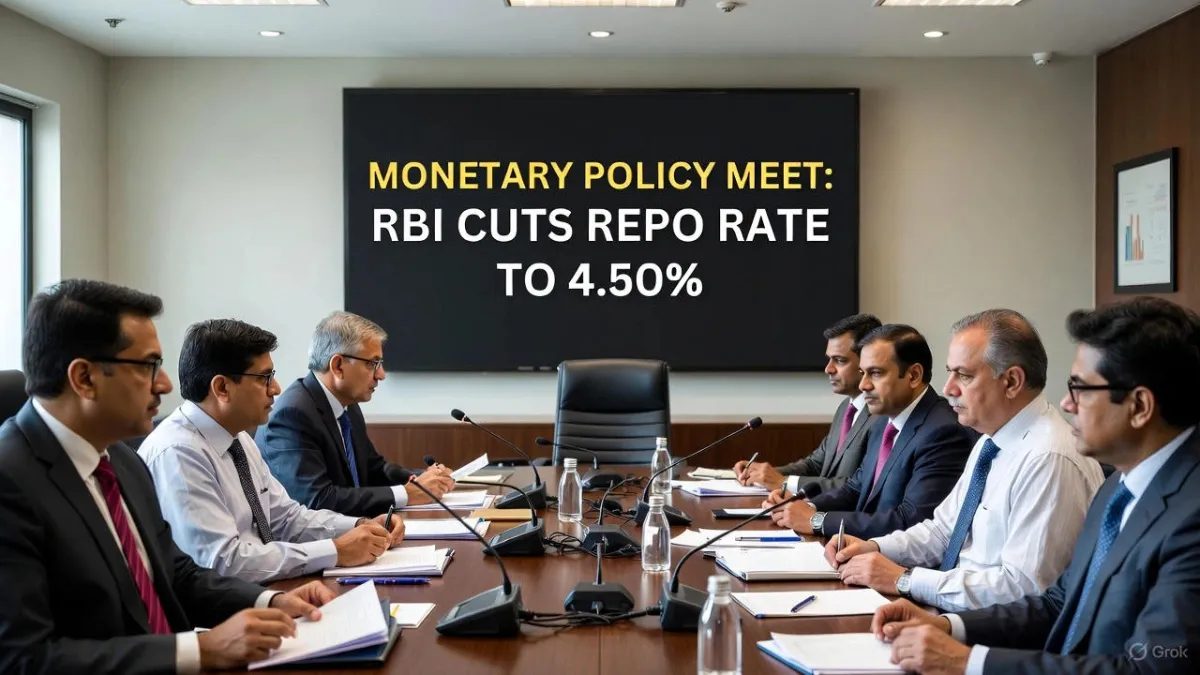
The Reserve Bank of India has surprised financial markets by cutting the repo rate by 25 basis points to 5.75 percent while simultaneously shifting its monetary policy stance to accommodative. The move signals a clear pivot towards supporting economic growth amid easing inflation pressures and global uncertainties. Borrowers, businesses, and investors are now closely watching how this decision will impact loans, savings, and overall market momentum.
What the Latest RBI Repo Rate Cut Means
The repo rate is the interest rate at which the RBI lends money to commercial banks. A reduction in this rate lowers the cost of borrowing for banks, encouraging them to pass on cheaper loans to consumers and businesses. With the repo rate now at 5.75 percent, the RBI has indicated that growth concerns are taking priority over inflation management for the time being.
This decision reflects confidence that inflation is under control and that monetary support is needed to revive demand across key sectors of the economy.

RBI Shifts Policy Stance to Accommodative Explained
An accommodative stance means the central bank is prepared to cut rates further or maintain lower rates for an extended period if economic conditions require support. This shift reassures markets that liquidity will remain ample and that the RBI is committed to sustaining growth.
Such a stance is especially important during periods of slowing consumption, weaker industrial output, or external economic pressures, as it creates a supportive environment for investment and spending.
Key Highlights of the RBI Monetary Policy Announcement
• Repo rate reduced by 25 basis points to 5.75 percent
• Policy stance changed from neutral to accommodative
• Focus on boosting growth while keeping inflation within target
• Signal of possible future rate cuts if conditions allow
• Strong emphasis on liquidity support for the banking system

Impact on Home Loans, EMIs, and Personal Borrowing
The repo rate cut is expected to benefit borrowers directly. Banks that link their lending rates to external benchmarks may reduce home loan, auto loan, and personal loan interest rates. This can result in lower EMIs or shorter loan tenures, making borrowing more attractive for consumers.
For new borrowers, the timing could be favorable, especially for long-term loans like housing finance. Existing borrowers may also see relief if banks pass on the rate cut promptly.
Effect on Fixed Deposits and Savings Accounts
While borrowers benefit from lower interest rates, depositors may face reduced returns on fixed deposits and savings accounts. Banks may gradually lower FD rates as their cost of funds declines. Conservative investors relying on interest income should closely monitor rate revisions and explore alternative investment options carefully.

Stock Market and Investor Sentiment Reaction
Equity markets generally respond positively to rate cuts, as lower interest rates support corporate profitability and consumer spending. Interest-sensitive sectors such as banking, real estate, automobiles, and infrastructure often see renewed interest from investors following such policy moves.
The accommodative stance also boosts market confidence by reducing uncertainty about future monetary tightening.
RBI Repo Rate Comparison Before and After the Cut
| Parameter | Before Policy | After Policy |
|---|---|---|
| Repo Rate | 6.00% | 5.75% |
| Policy Stance | Neutral | Accommodative |
| Borrowing Cost Outlook | Stable | Easing |
| Growth Focus | Moderate | High |
What Comes Next for Interest Rates in India
With the accommodative stance in place, future rate actions will depend on inflation trends, global economic developments, and domestic growth indicators. If inflation remains within the RBI’s comfort zone, further rate cuts cannot be ruled out. However, the central bank will continue to balance growth support with financial stability.

Conclusion
The RBI’s decision to cut the repo rate to 5.75 percent and adopt an accommodative stance marks a significant shift in India’s monetary policy direction. It aims to stimulate borrowing, revive economic activity, and strengthen market confidence. While borrowers stand to gain the most, savers and investors should realign their strategies to adapt to a lower interest rate environment.
Disclaimer
This article is for informational purposes only and should not be considered financial or investment advice.