
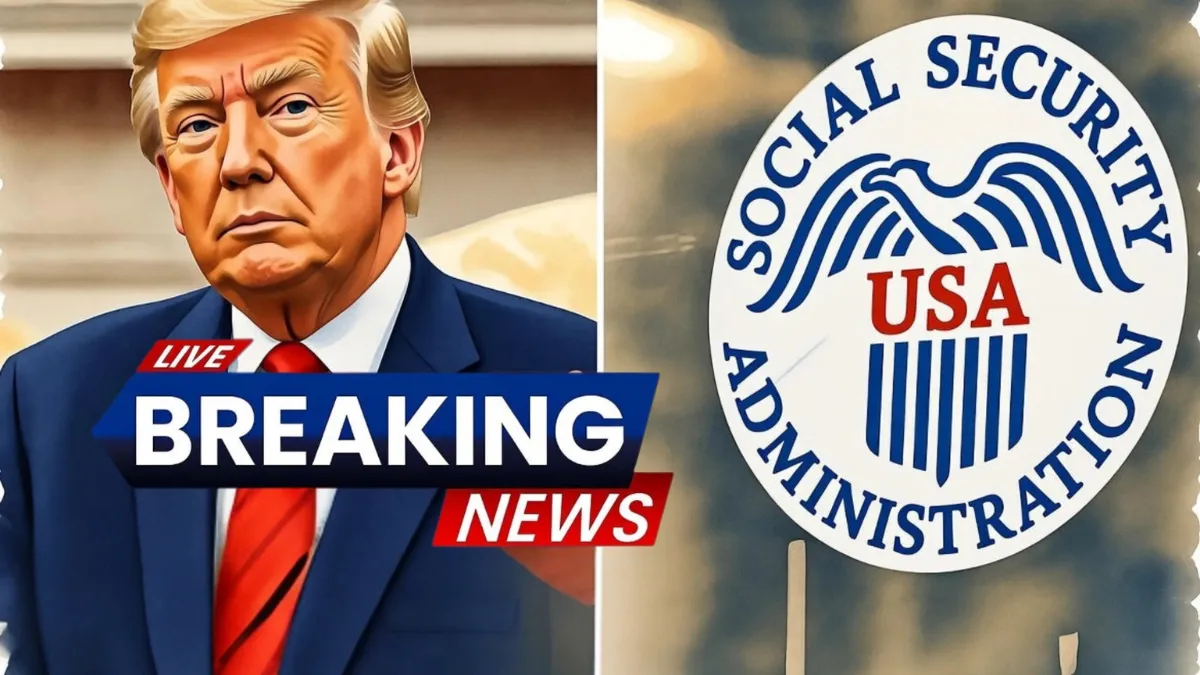
Government Eases Deadline Pressure: The federal government has stepped back from its previously firm stance on ending Social Security paper checks after weeks of strict announcements and repeated final deadlines. Millions of beneficiaries who still rely on traditional paper mail have welcomed this shift, as officials now signal a slower and more flexible transition toward digital payments. This update marks a significant change in policy direction and indicates a more measured approach from the administration.
Why the Government Planned to End Paper Social Security Checks
The initial phaseout plan aimed to move all beneficiaries to direct deposit or Direct Express cards to increase efficiency, reduce fraud, and cut processing costs. Paper checks remain expensive to print, mail, and track, and delays in postal delivery have made digital payments a more reliable option. The transition was also part of a long-term modernization strategy designed to streamline government payment systems.

What Triggered the New Policy Shift
After weeks of new deadlines being announced as final, officials faced strong public backlash, especially from seniors, rural communities, and people without reliable internet or banking access. Advocacy groups urged the government to reconsider the abrupt timeline. As a result, the administration has softened its approach and now plans to keep paper checks available while continuing to encourage beneficiaries to move to electronic modes voluntarily.
Key Details of the Updated Payment Transition Plan
Under the revised plan, the government will not enforce immediate mandatory digital enrollment. Instead, beneficiaries will continue receiving paper checks while being offered simplified options to switch to direct deposit or card-based payments.
Highlights of the Revised Approach
- No immediate cutoff for paper Social Security checks
- Gradual transition to digital payments instead of mandatory deadlines
- Additional assistance for seniors and rural recipients to help set up digital methods
- Continued availability of Direct Express cards and bank-based transfers
- Government will monitor progress before setting any new timeline
Payment Options Beneficiaries Can Choose
To help beneficiaries make informed decisions, the revised plan clearly outlines the available payment methods. The table below summarizes the core features.
| Payment Method | How It Works | Key Benefits |
|---|---|---|
| Paper Check | Monthly check delivered by mail | Familiar, no digital setup required |
| Direct Deposit | Deposit sent to a bank account | Fast, secure, no postal delays |
| Direct Express Card | Government-issued debit card | No bank account needed, easy withdrawals |
How This Update Helps Beneficiaries
The relaxed stance provides immediate relief to millions who were anxious about losing access to paper checks. Seniors who prefer traditional mail can continue receiving payments without learning new technology under pressure. Meanwhile, those ready to shift to digital formats can still do so for faster and safer processing.

This slower rollout also gives the government more time to address concerns such as accessibility, banking challenges, and digital literacy barriers. Experts believe the revised approach may lead to higher voluntary digital adoption over time.
What to Expect in the Coming Months
Officials have stated that future updates will depend on beneficiary feedback and digital enrollment rates. While paper checks will remain available for now, the government is expected to continue promoting digital options through awareness campaigns, customer service support, and simplified enrollment procedures. Any major change or final deadline will be announced well in advance to avoid confusion.

Conclusion
The government’s softened stance on ending Social Security paper checks represents a major shift after weeks of firm deadlines. Beneficiaries now have more time, more flexibility, and more choices. While the push toward digital payments will continue, the updated plan ensures that no one is forced into immediate changes, especially those who rely heavily on traditional paper-based payments.
Disclaimer
This article is for informational purposes only and does not represent official government policy.