
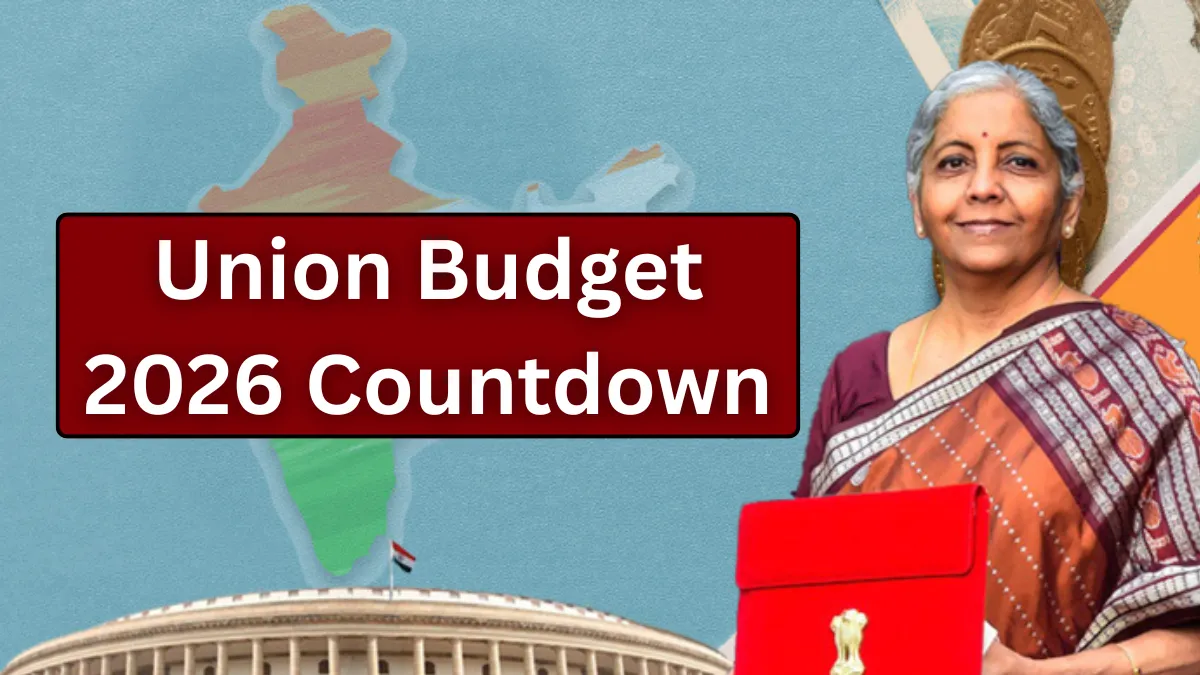
Union Budget 2026: The countdown for the Union Budget 2026 has officially begun, and the excitement is rising across the country. Finance Minister Nirmala Sitharaman is preparing to present the third budget of the Modi 3.0 government, and the announcements made this year could significantly impact the economy as well as your personal finances.
As the budget approaches, the government, markets, and citizens are eagerly waiting to understand what new steps will be taken for growth, jobs, savings, and taxation. However, budget discussions often include economic terms that many people find confusing. To understand the impact of the upcoming budget clearly, it is important to know the meaning of these terms. Here is a simple guide to the most important financial words you must know before Budget 2026.
Capital Expenditure (CAPEX)
CAPEX refers to money the government invests in long-term projects like highways, railways, bridges, and major infrastructure. These investments help boost economic activity, generate employment, and improve national development over time. Higher CAPEX generally indicates stronger growth plans.

Revenue Expenditure
Revenue expenditure includes the daily expenses required for government operations. This consists of salaries of government employees, subsidies, interest payments, and general maintenance. These expenses do not create long-term assets but are essential for running the administration.
Revenue Receipt
Revenue receipts are the inflows of money that the government earns through taxes, fees, and fines. Income Tax, GST collections, and service charges all fall under this category. These receipts help fund government schemes and services.
Direct Tax
Direct taxes are collected straight from individuals or companies. Examples include Income Tax and Corporate Tax. These taxes directly affect taxpayers and form a major part of the government’s earnings.
Indirect Tax
Indirect taxes are applied on goods and services. GST, customs duty, and excise duty are examples. Consumers pay these taxes indirectly because they are added to the price of products and services.
Tax Deduction
A tax deduction helps reduce the portion of income on which a person has to pay tax. Investments in schemes like PPF, ELSS, NPS, and fixed deposits make taxpayers eligible for deductions, which lowers their tax burden.
Rebate
A rebate directly reduces the final tax amount that a person has to pay. This provides financial relief to taxpayers and encourages them to spend and invest more.

Fiscal Deficit
Fiscal deficit shows the gap between the government’s total income and its total spending. When expenses exceed revenue, the government borrows money to fill this gap. It is an important indicator of economic health.
Fiscal Policy
Fiscal policy is the government’s strategy of using taxation and spending to manage the economy. It helps control inflation, boost growth, and stabilize financial conditions.
Inflation
Inflation means an increase in the price level of goods and services over time. When inflation rises, the purchasing power of money falls. Managing inflation is necessary to maintain economic balance.